
From the looms of Kashmir
Pure Pashmina.A softer kind of luxury.
From fine Himalayan underfleece to the looms of Kashmir, discover a cloth treasured for its softness, lightness and warmth.

Fine underfleece. The beginning of every thread.
An exceptional touch
Fine fibres with a naturally soft feel.
Warmth, without weight
Light to wear. A beautiful, fluid drape.
The collection
Find your Pashmina
From quiet weaves to intricate hand embroidery.
Filters
22 products
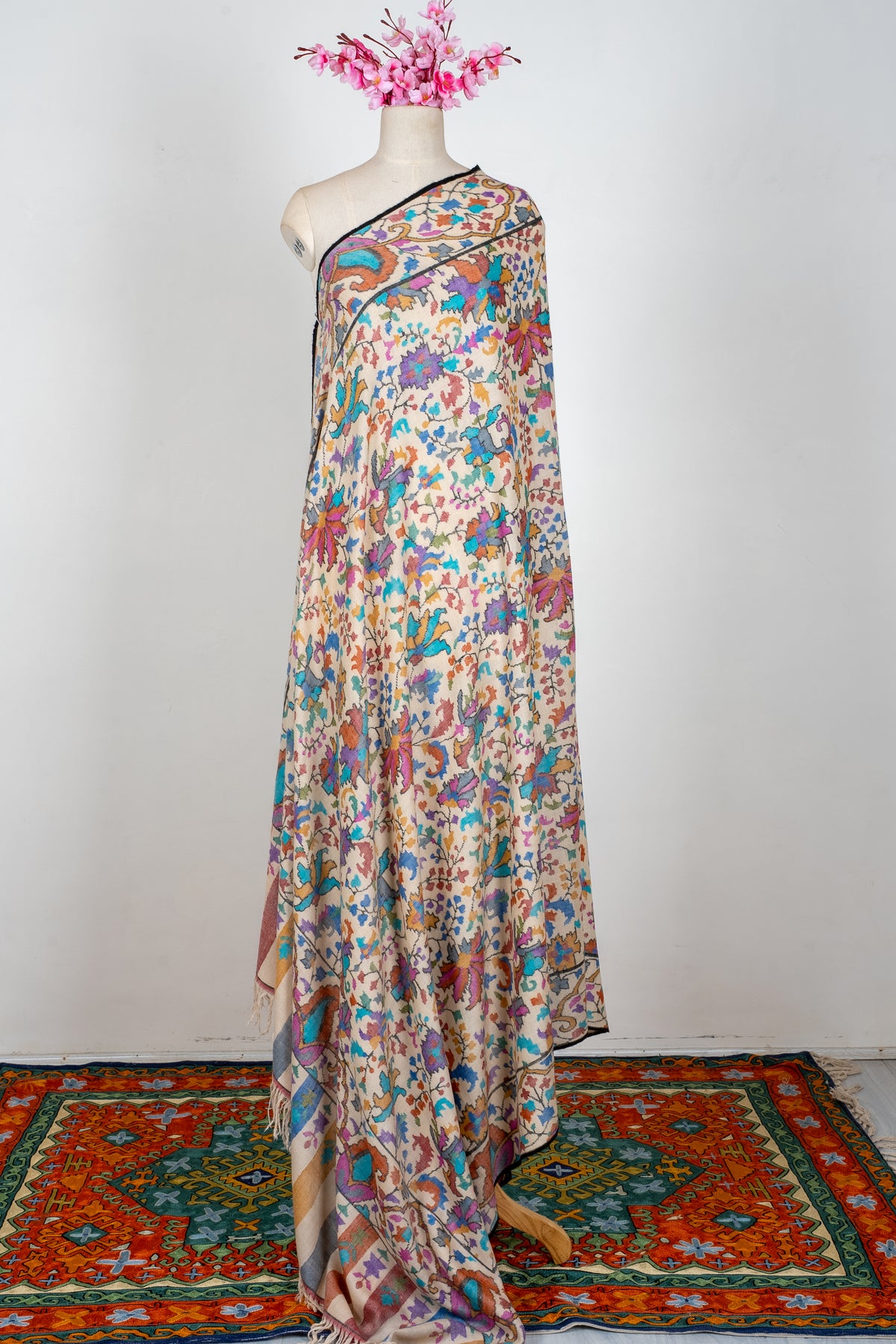
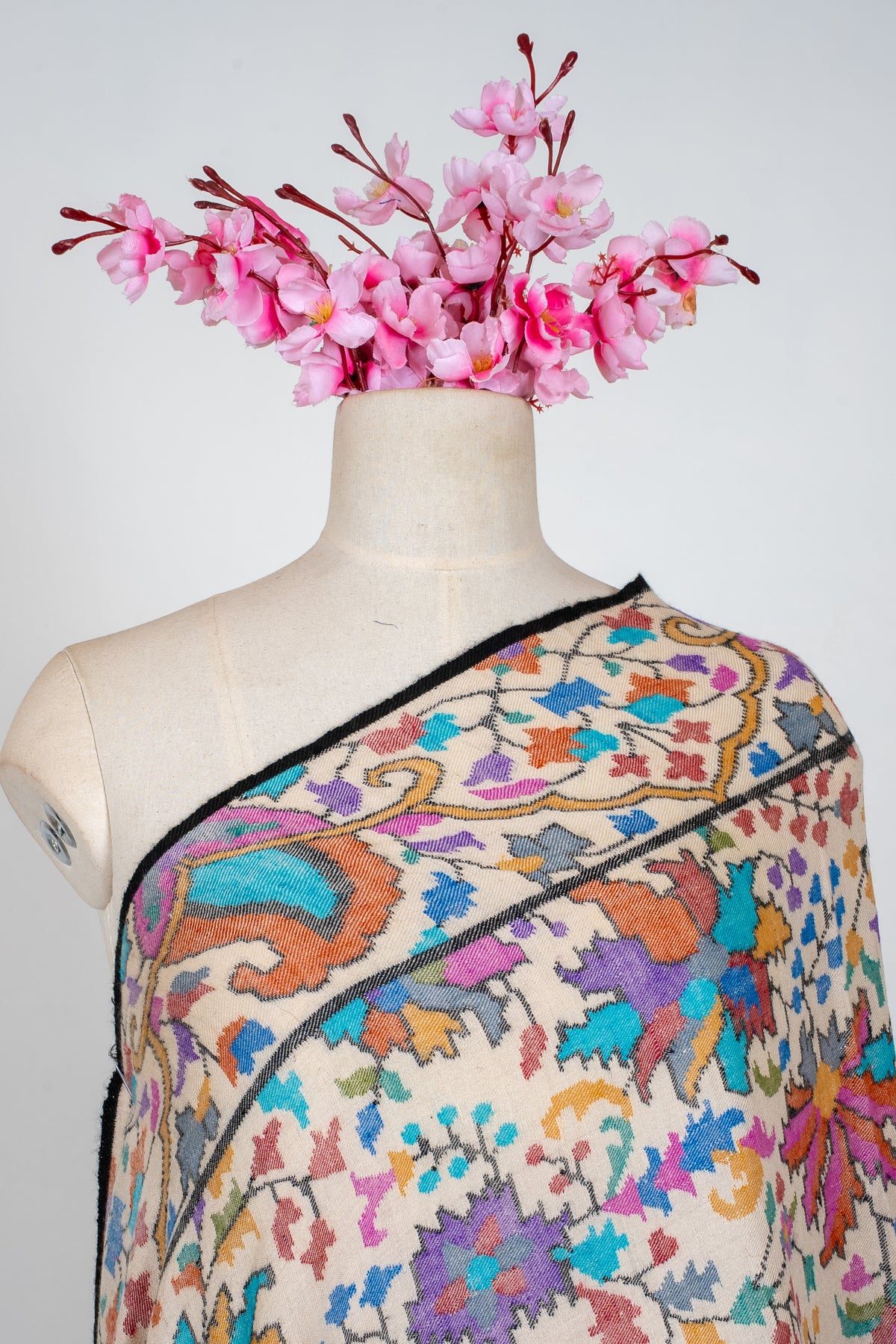


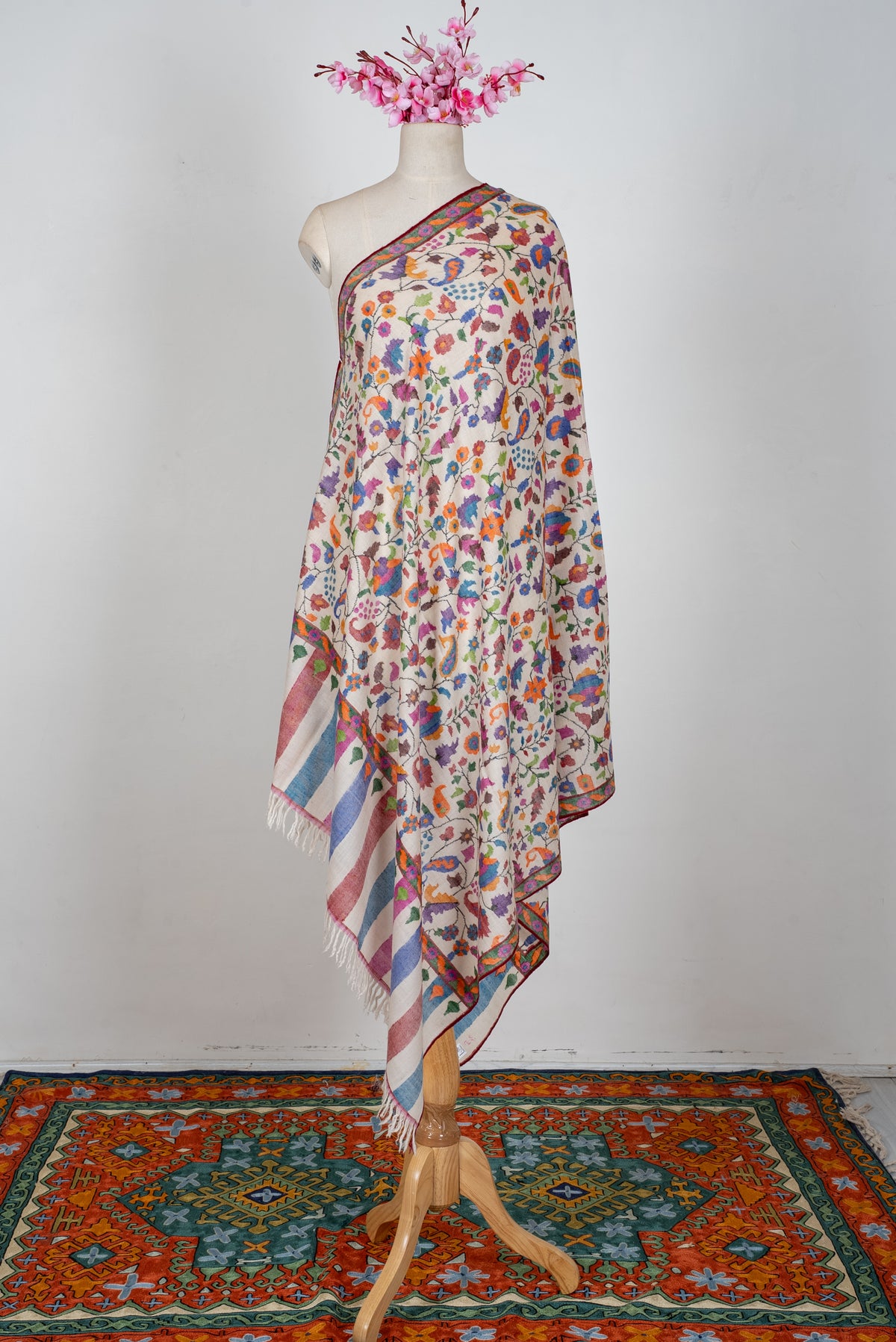
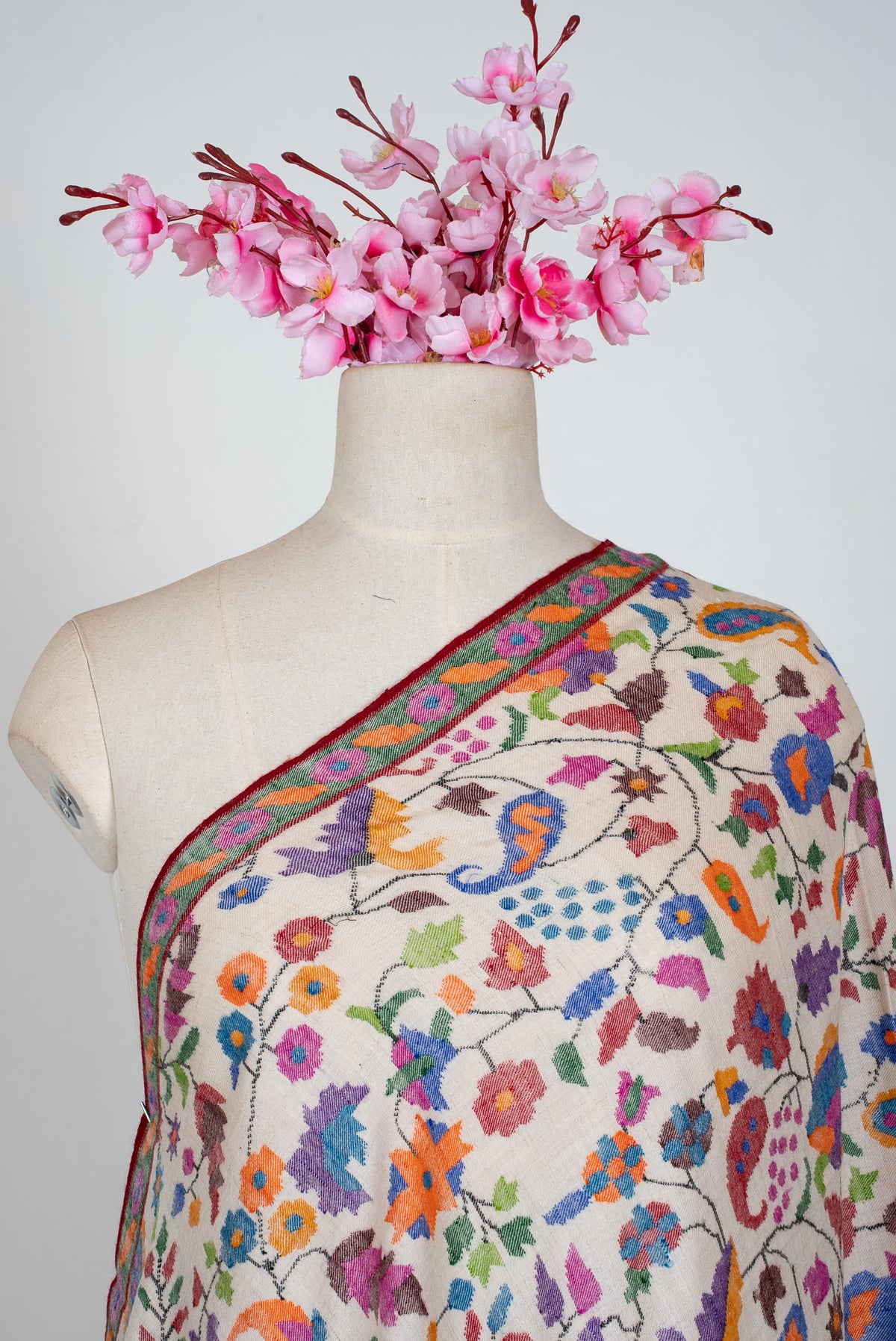
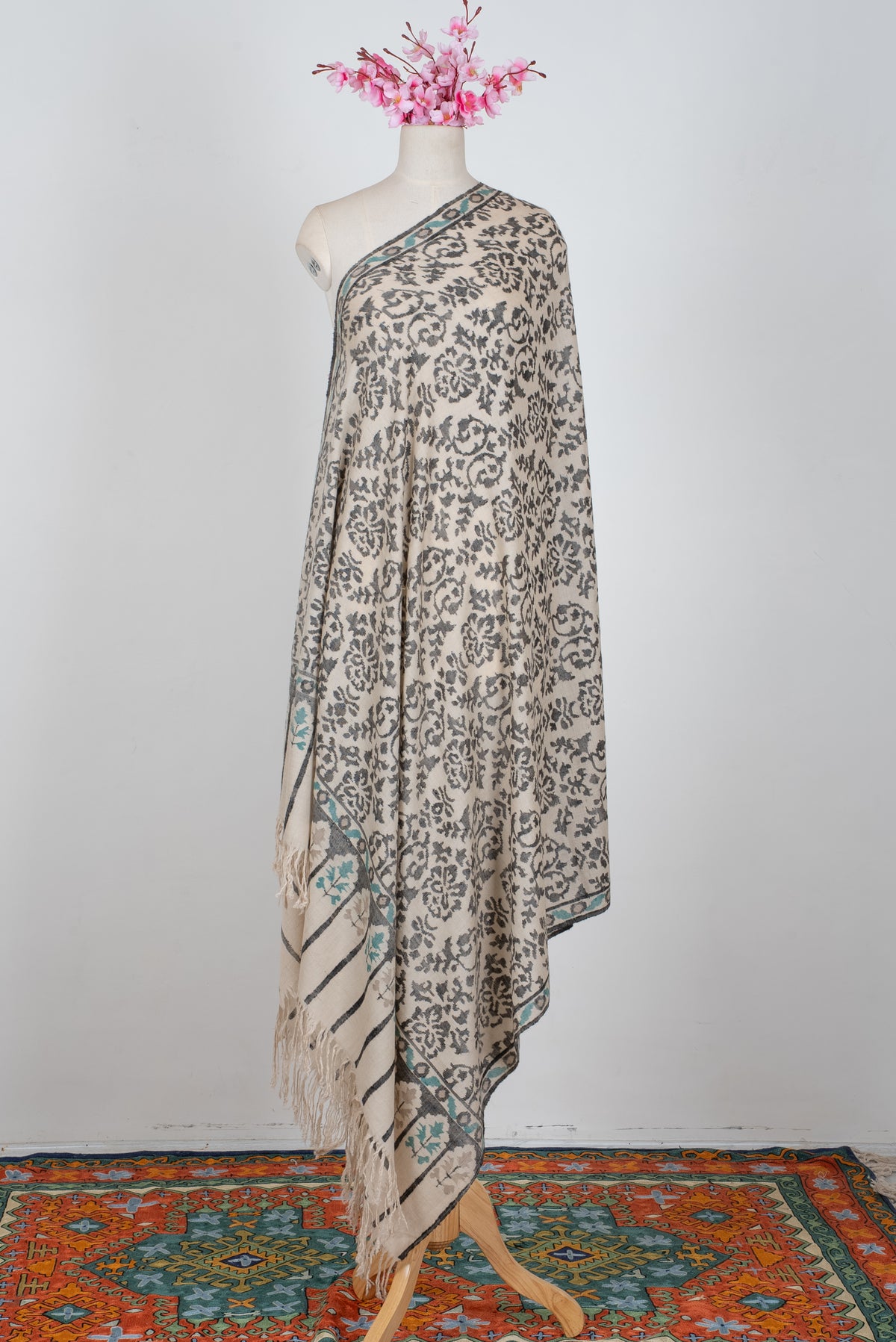
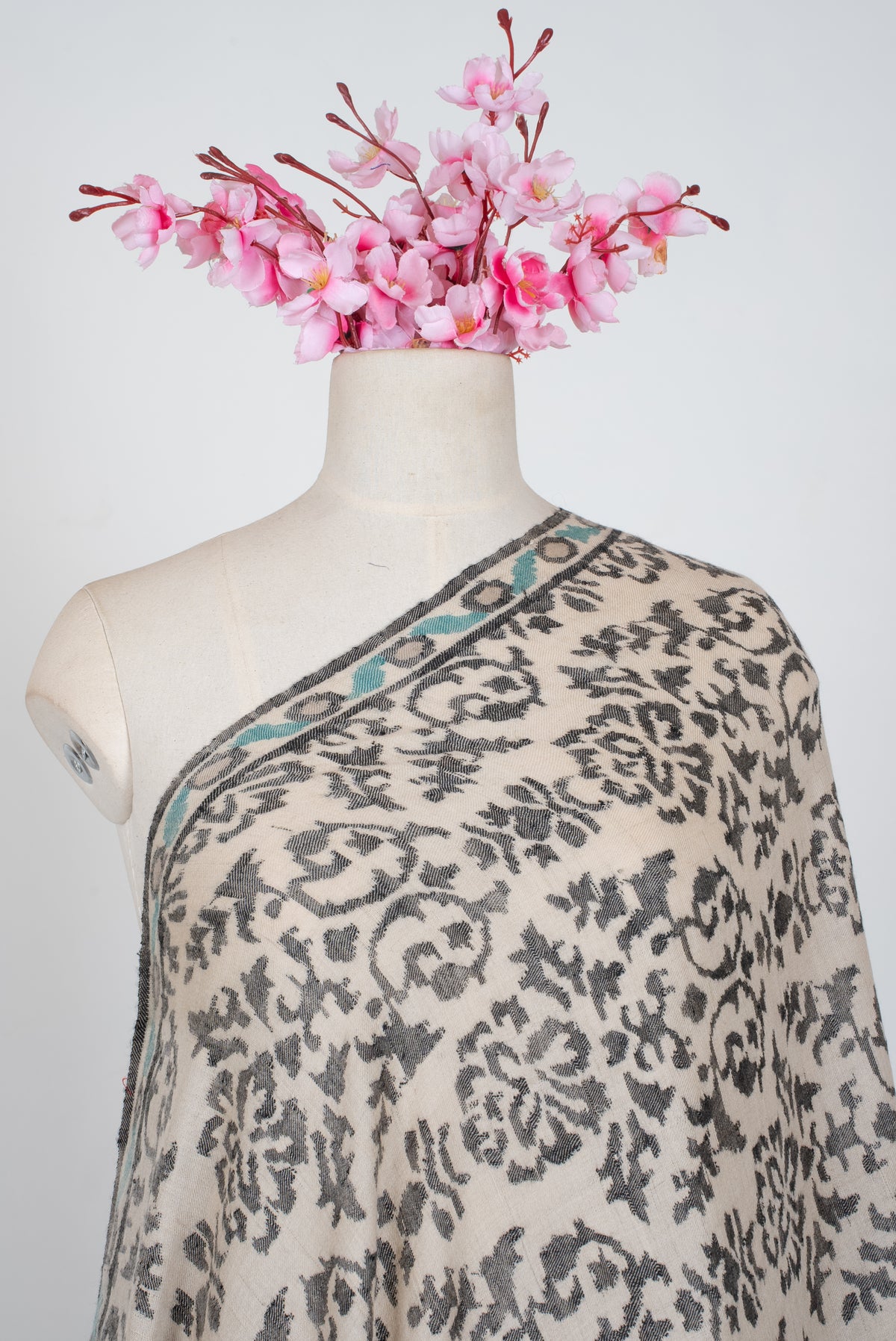

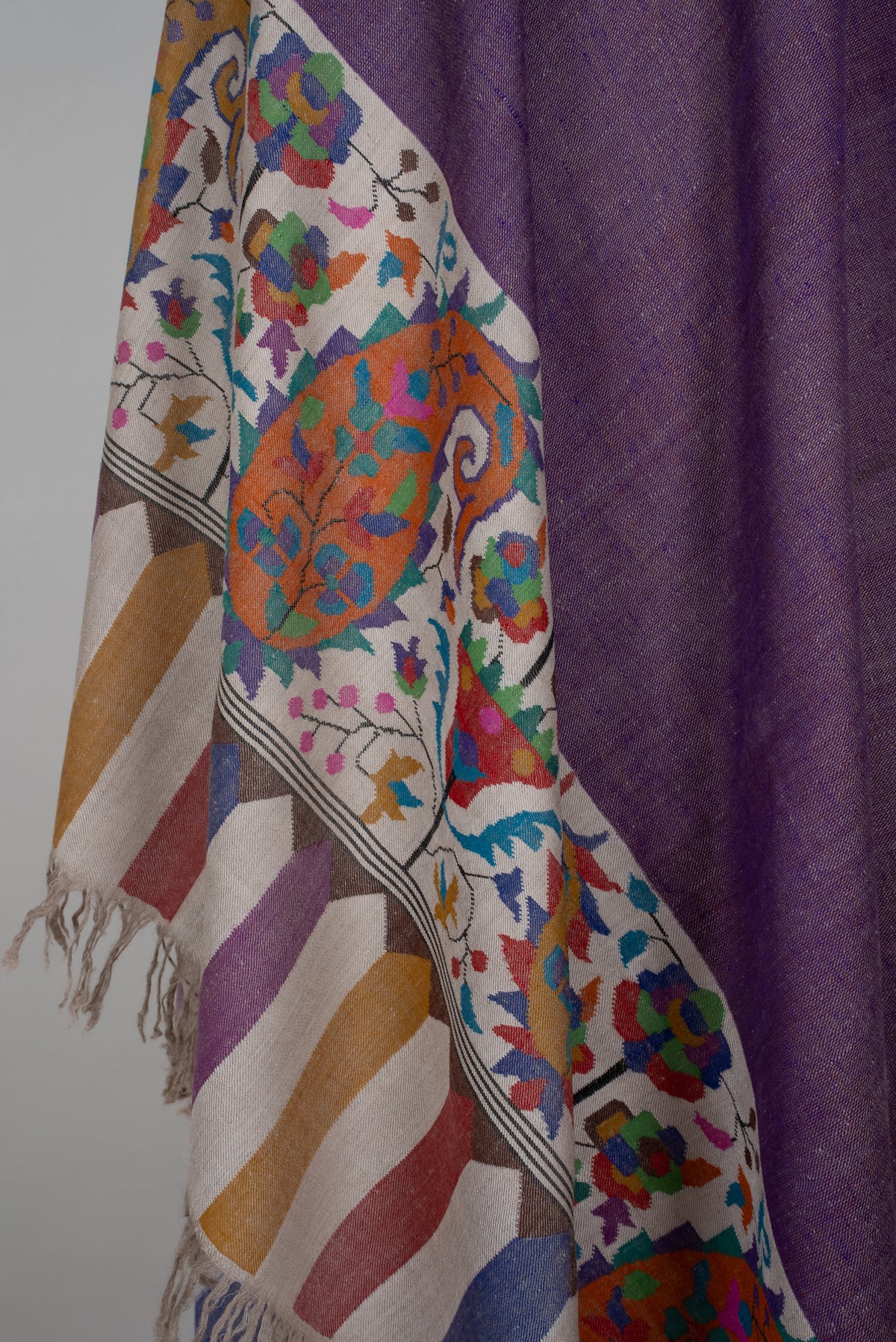
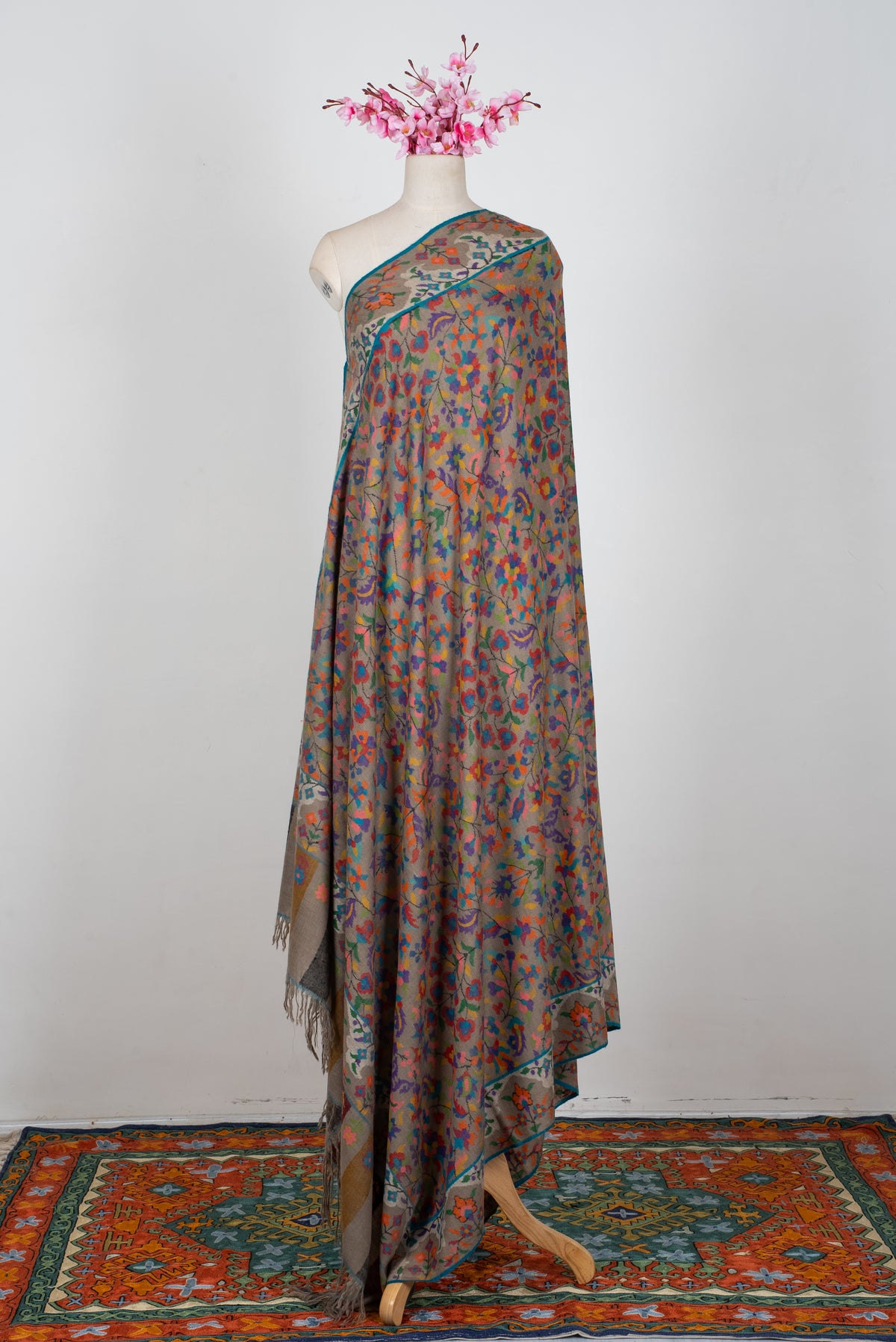
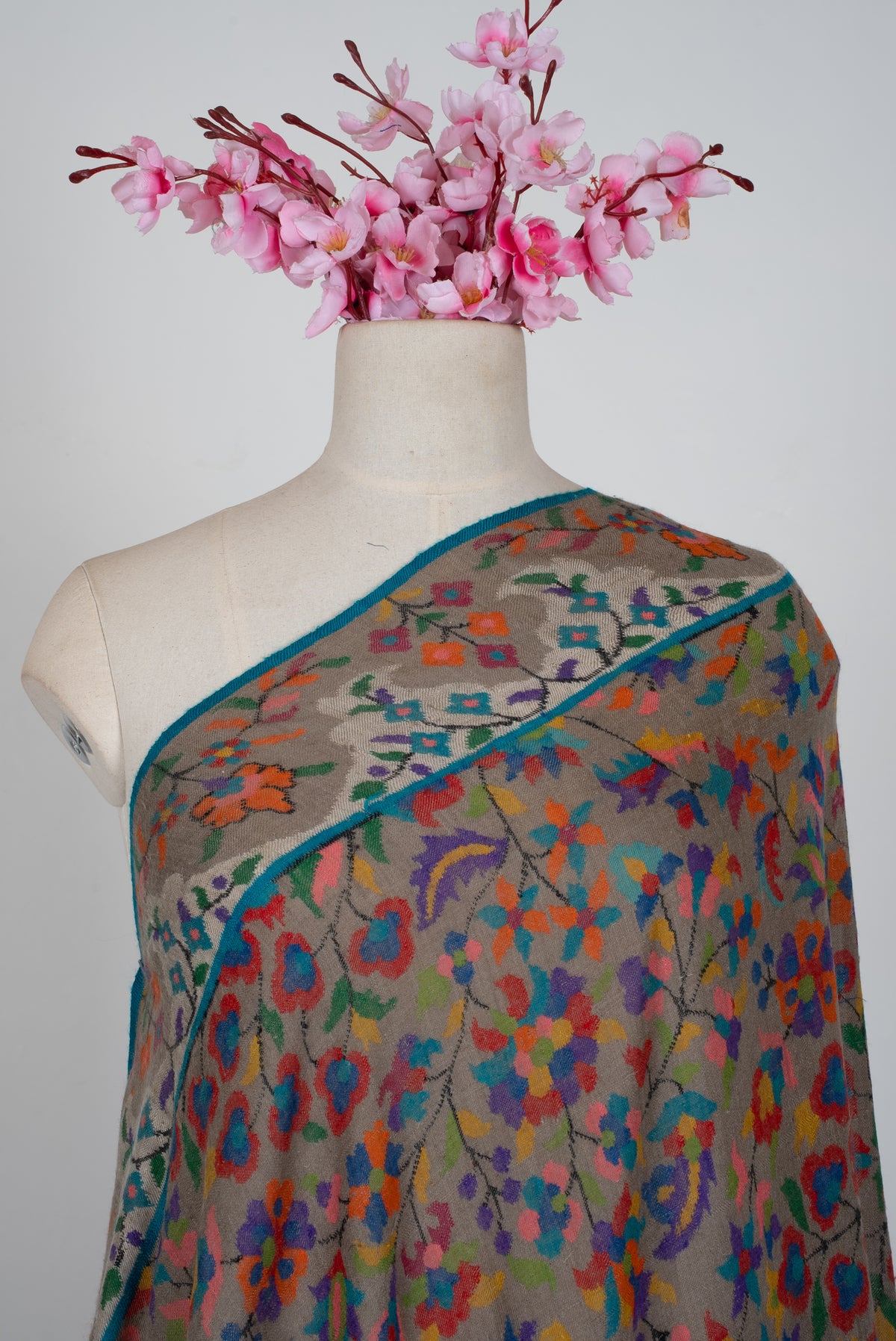


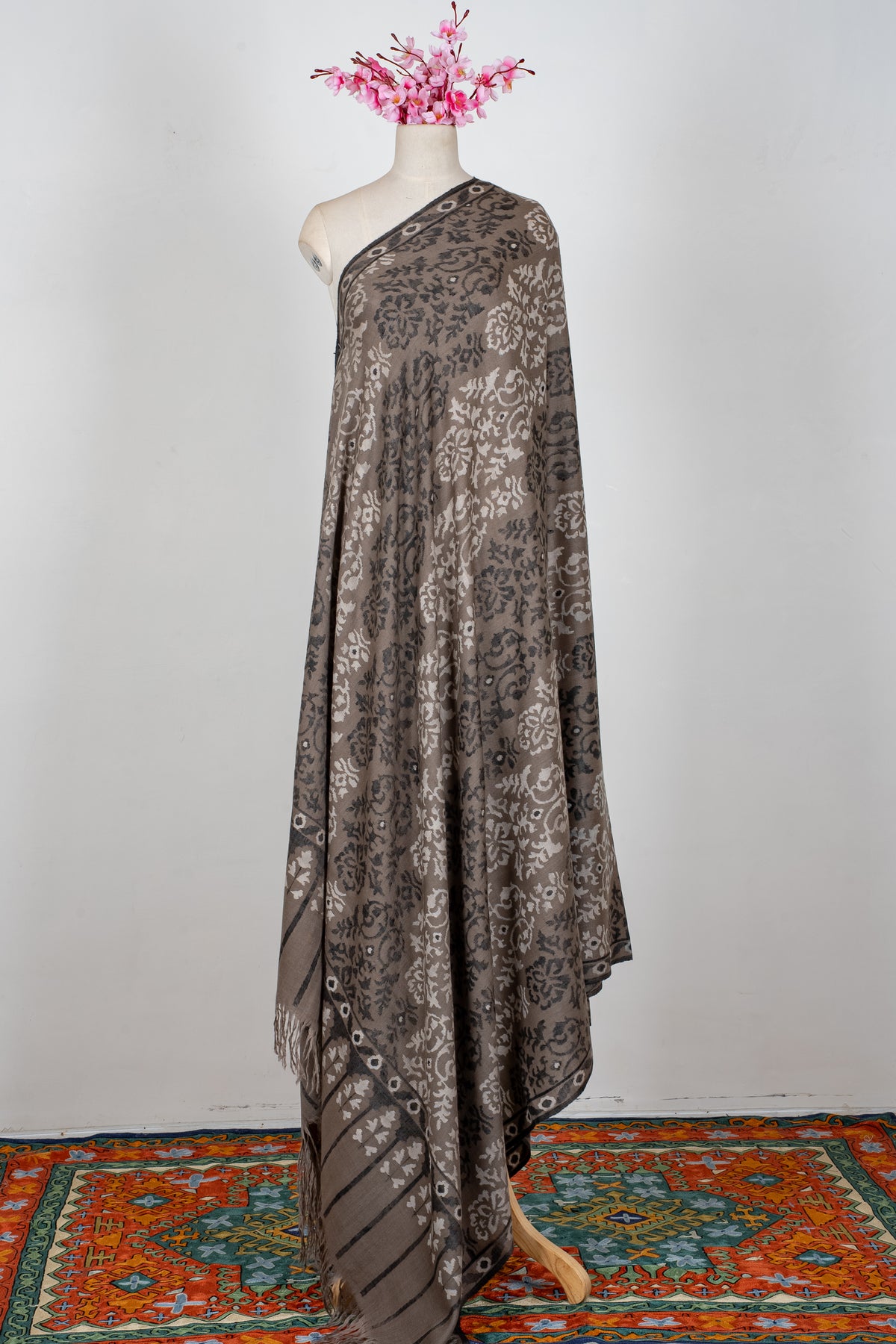
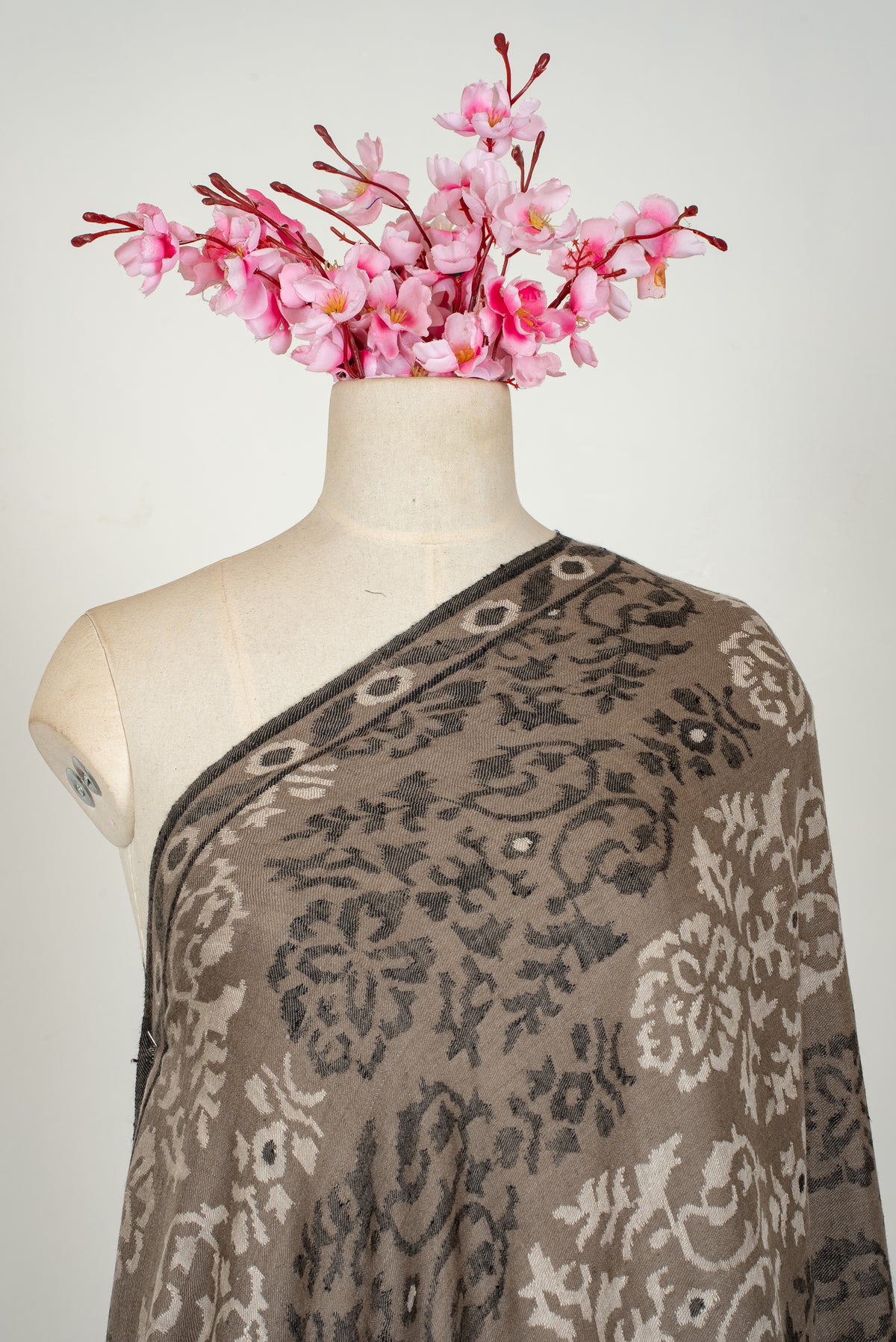


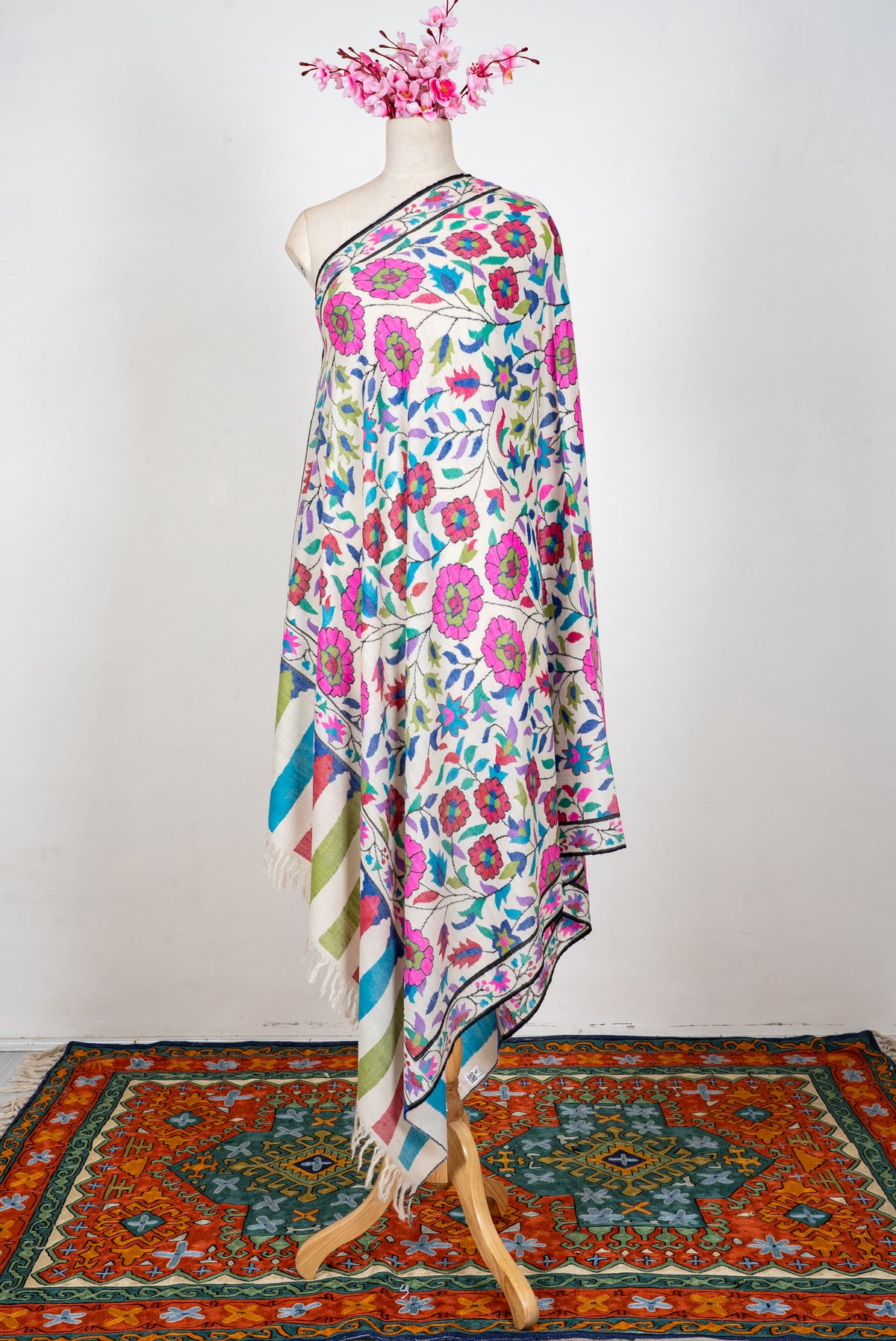
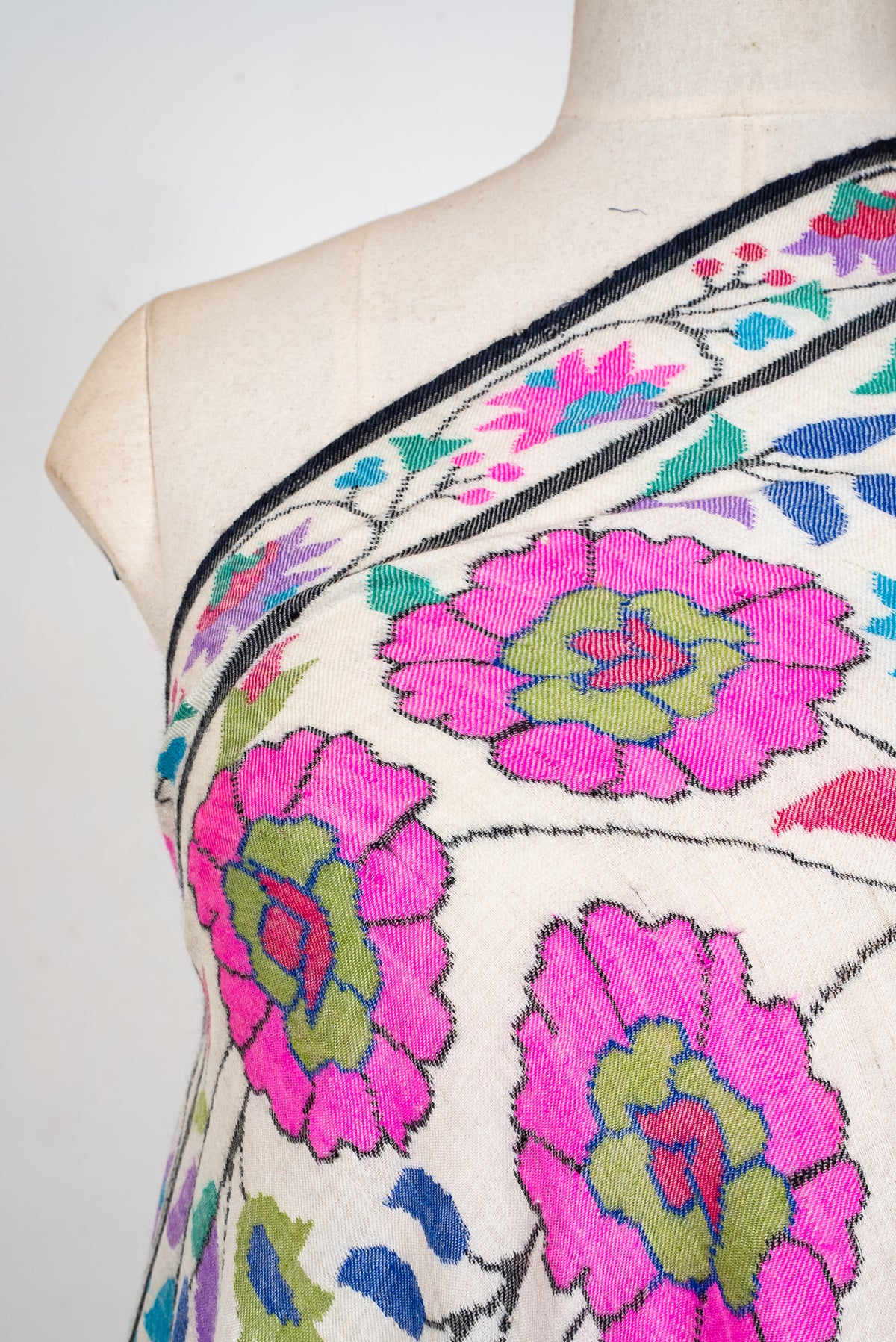
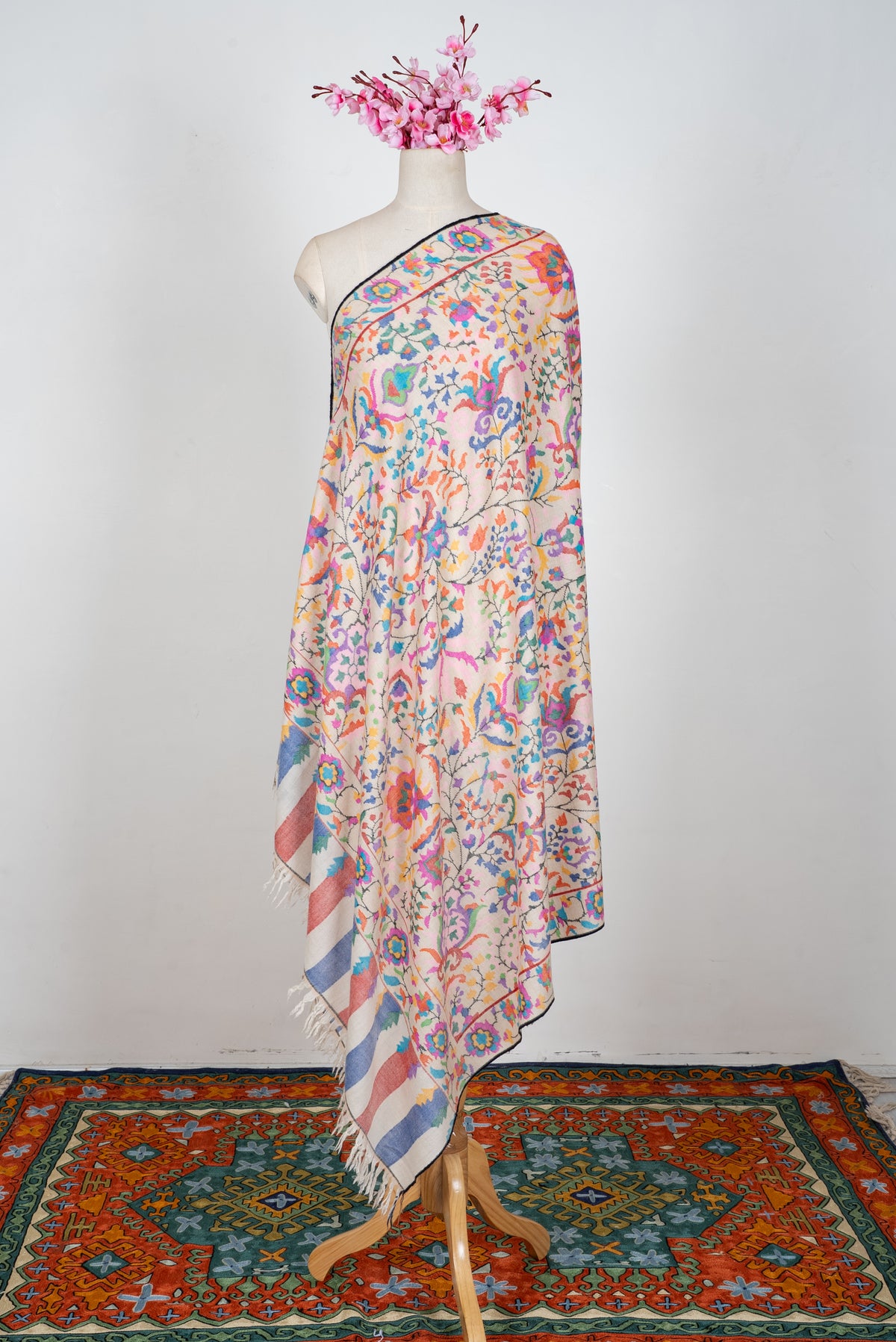
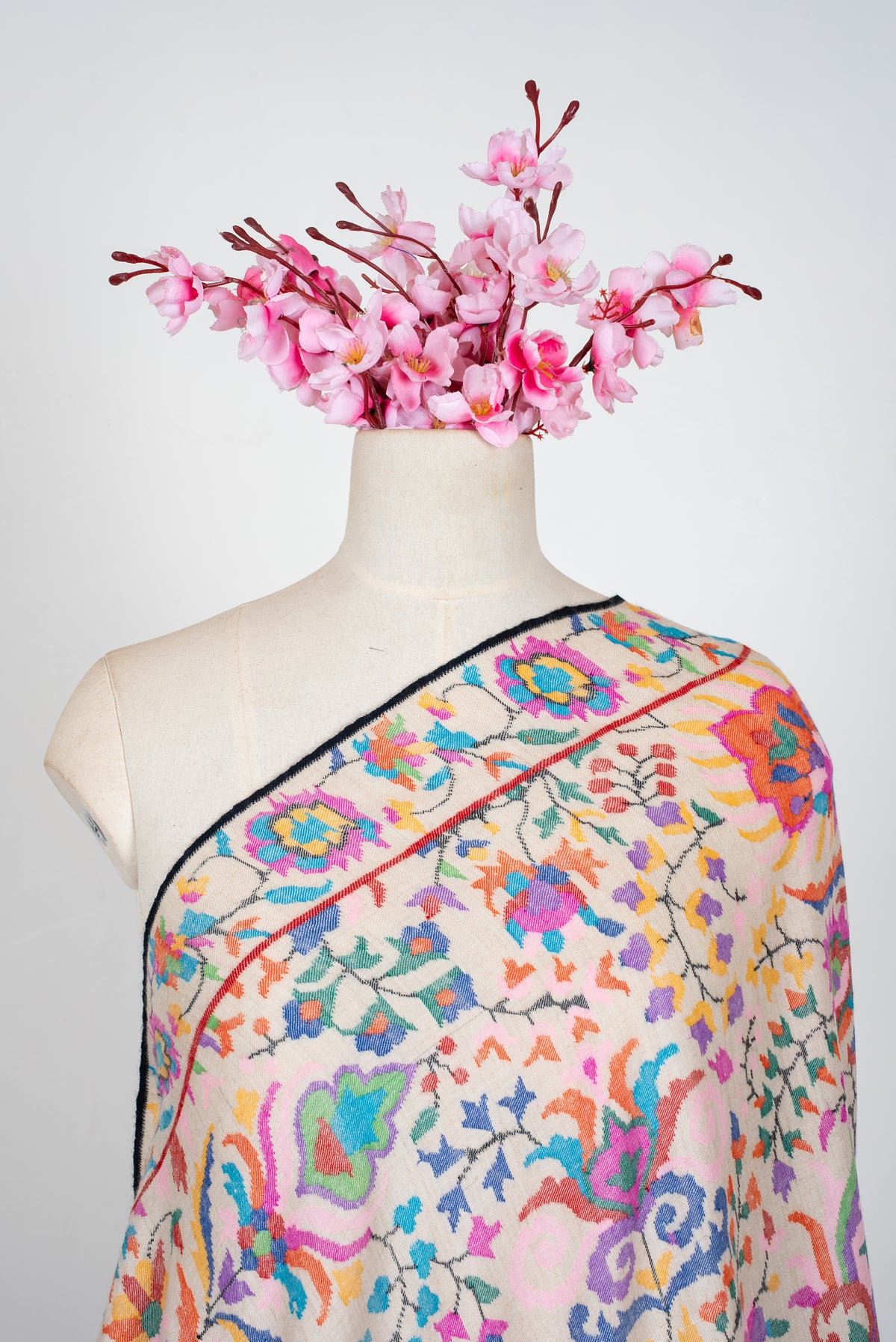
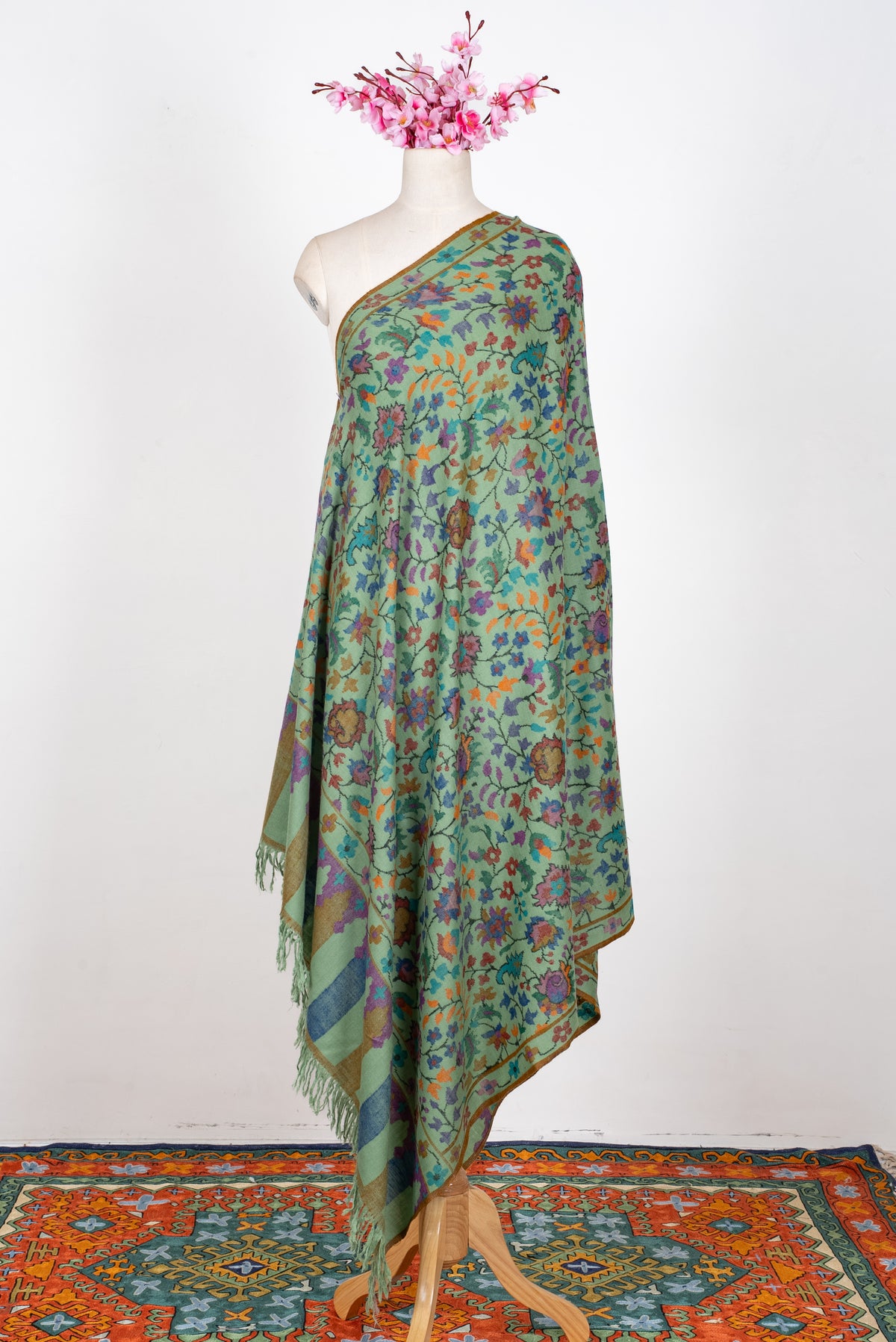
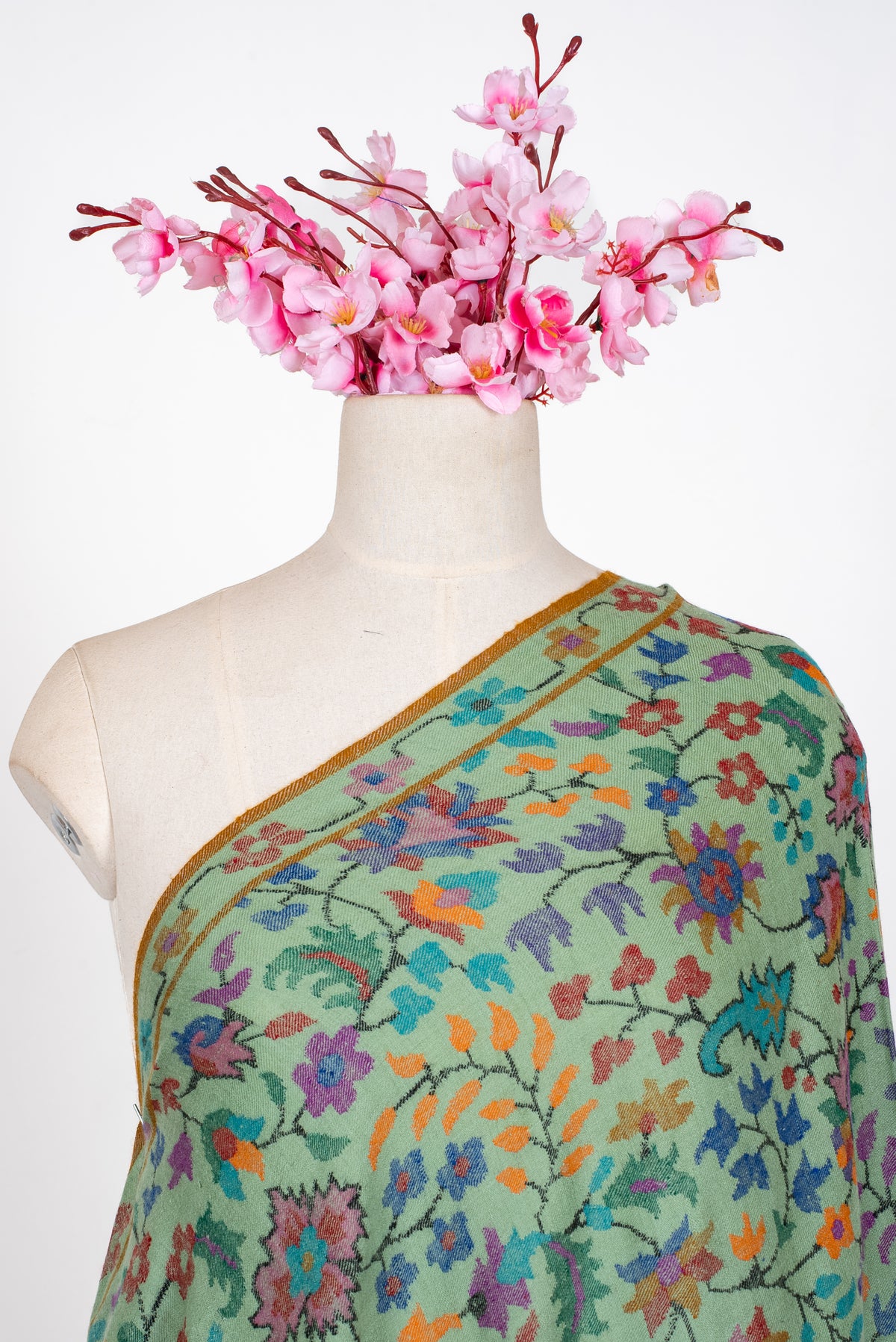


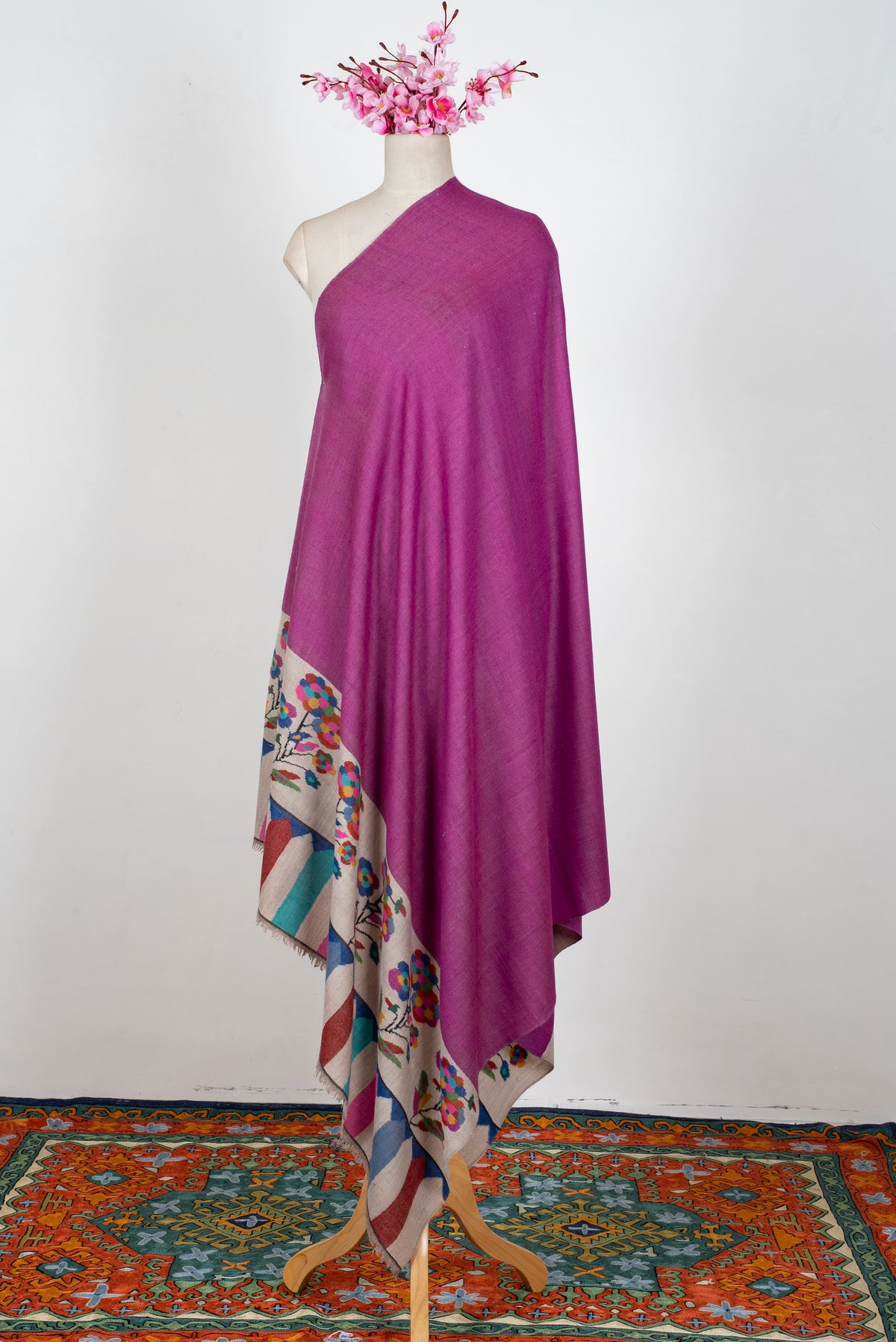
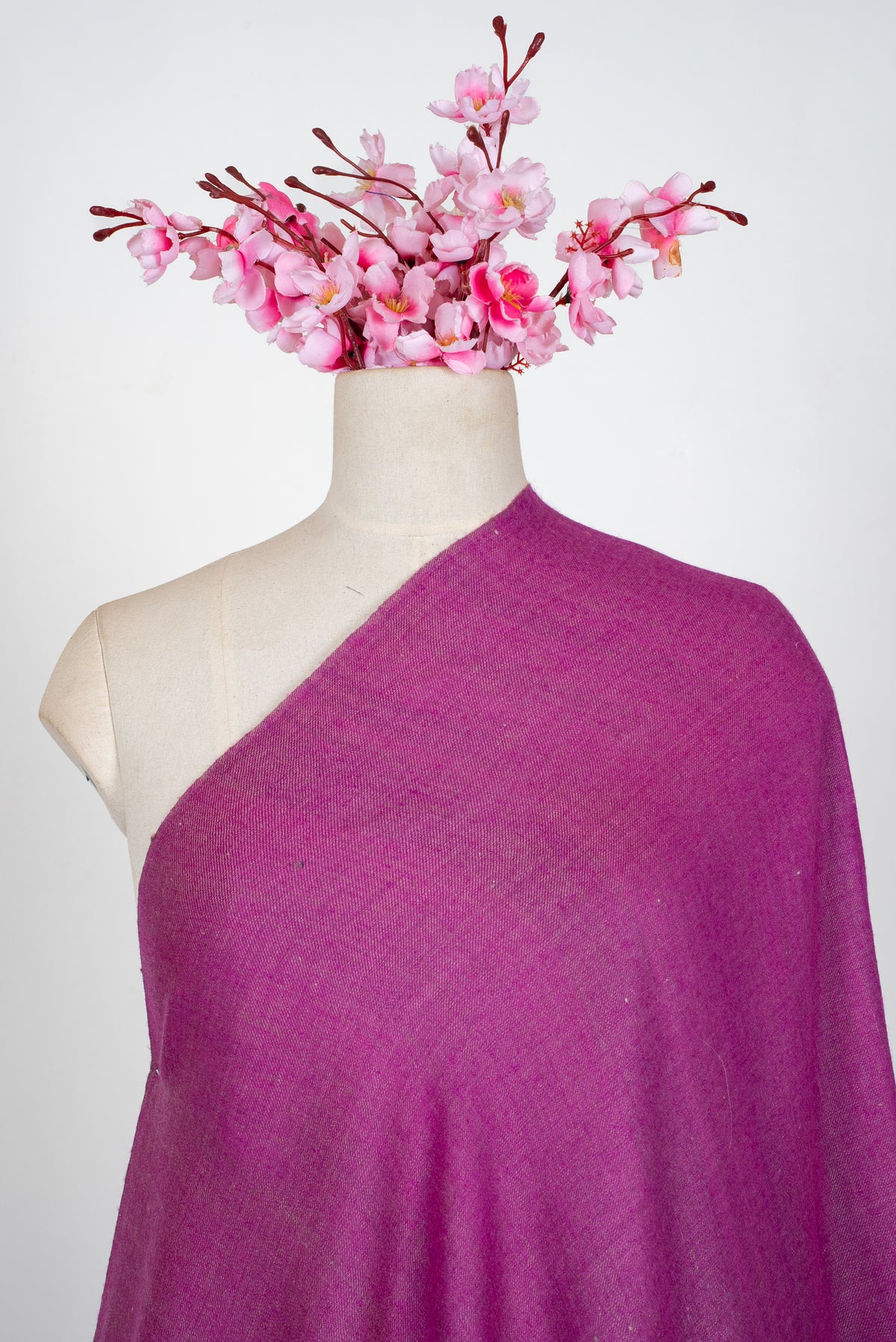

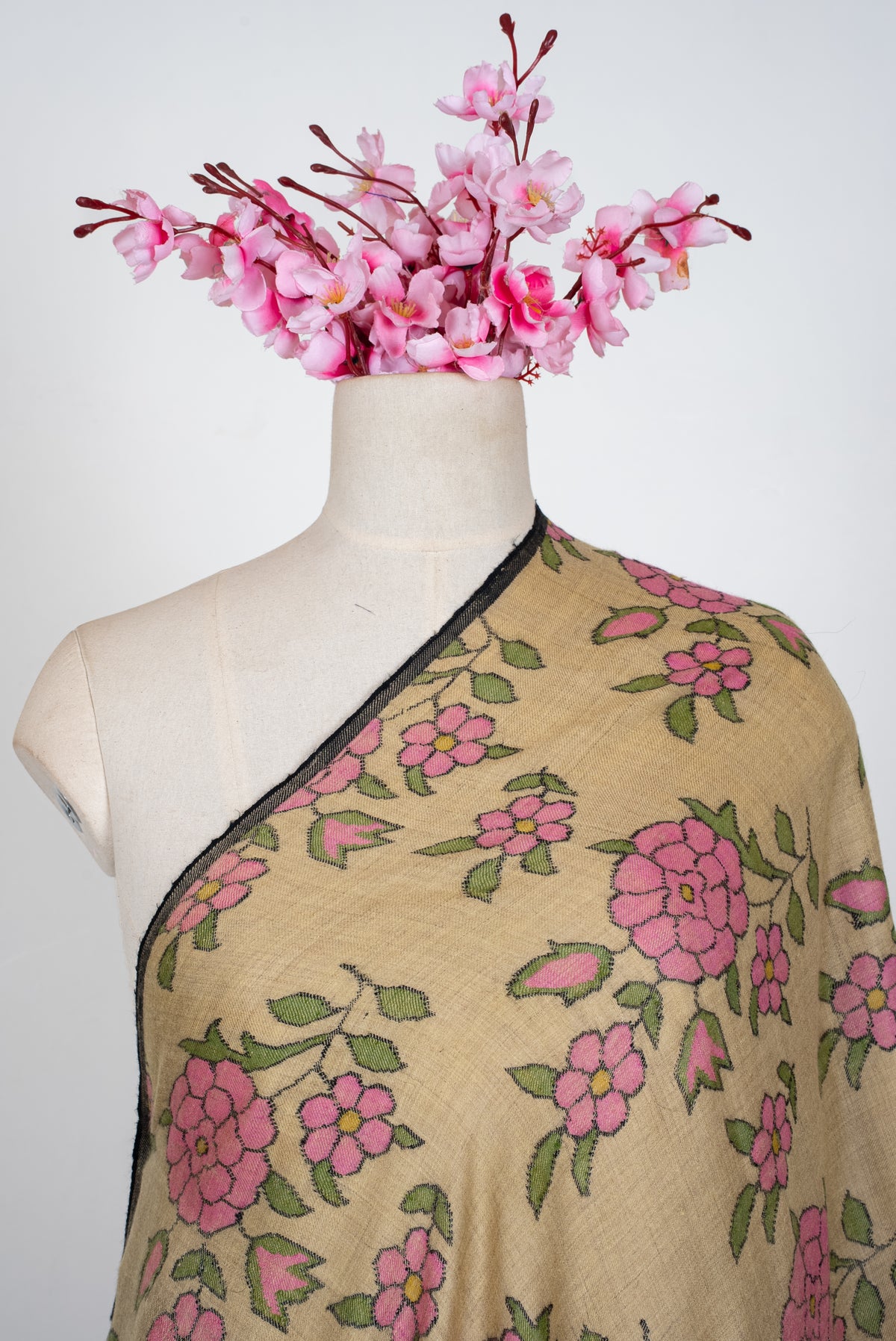


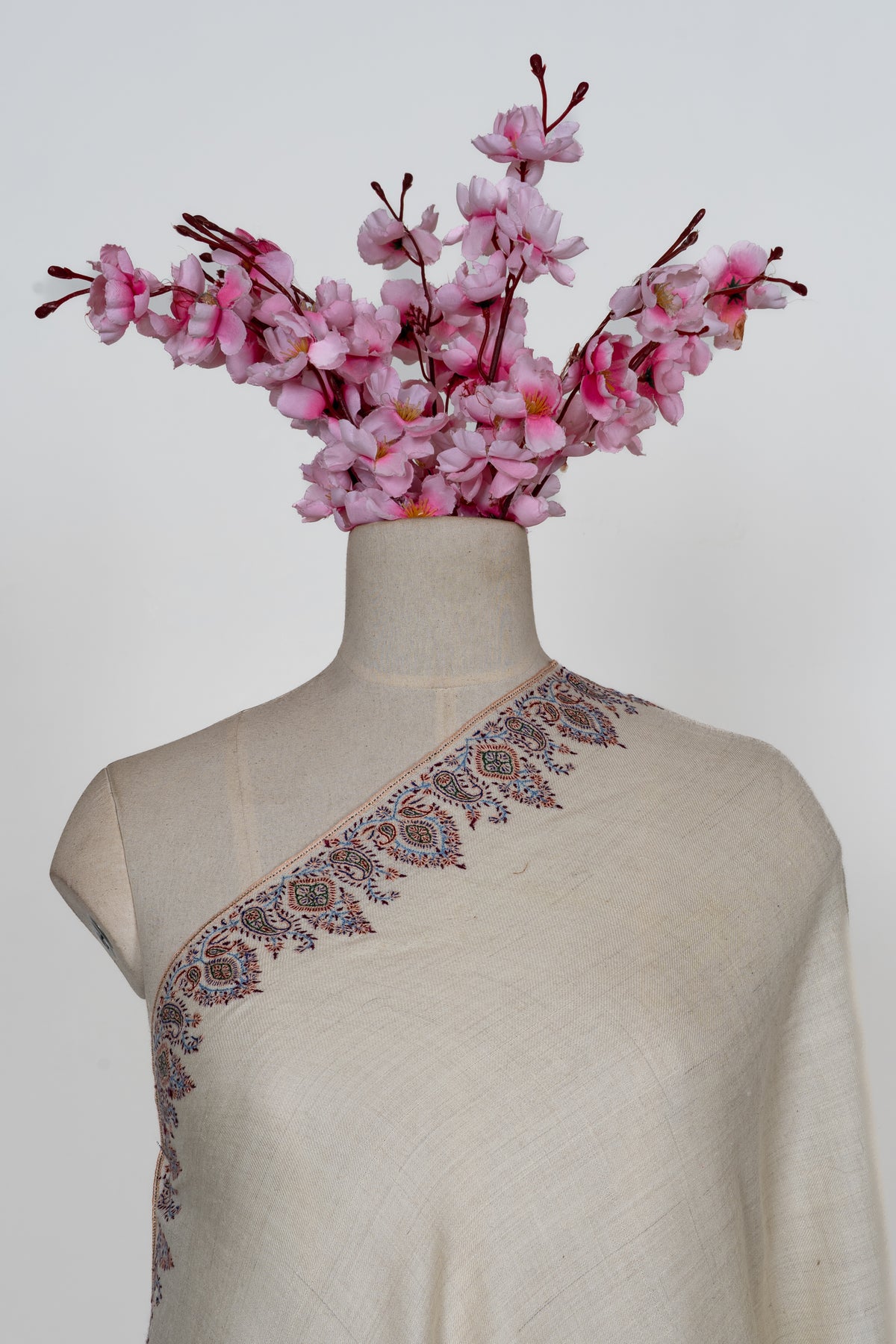
Woven in Kashmir
The making of a Kani shawl
A closer look at Kani weaving, filmed at the loom.
The design becomes a woven language
A motif is mapped into talim: coded instructions for colours and thread counts. The weaver follows this guide as the pattern takes shape.
- The design becomes a woven language. A motif is mapped into talim: coded instructions for colours and thread counts. The weaver follows this guide as the pattern takes shape.
- Preparing the colours. Fine Pashmina yarns are dyed and prepared in the shades the design requires. Each coloured yarn will become part of the fabric itself.
- Winding each wooden kani. Coloured yarn is wound around slender wooden sticks called kanis. Each carries a small supply of yarn for a particular area of the pattern.
- Setting the foundation. Fine lengthwise threads are arranged on the wooden handloom and held under even tension. This warp is the foundation through which the colours are woven.
- A motif, woven thread by thread. Following the talim, the weaver passes different kanis through small sections of the warp. Each colour travels only where the pattern needs it.
- Bringing each row into place. After a row is woven, the reed brings the new weft into place. Repeating this patient sequence builds the pattern and the closely woven cloth together.
- Washing, smoothing and checking. After leaving the loom, the shawl is washed, gently finished and inspected. The surface, edges and woven pattern are carefully checked.
- The finished Kani shawl. Colour and pattern belong to the cloth itself. In the finished shawl, the fine weave, soft folds and intricate motifs reveal the work of the loom.
Why Pashmina shawls vary in price
The price reflects the fabric, the technique and the amount of skilled work each piece requires.
The fabric
A larger shawl uses more material. Yarn fineness, the type of weave and the complexity of weaving can also affect the work involved.
The technique
Sozni and Tilla designs are embroidered onto the fabric, while Kani patterns are woven into it. These techniques require different skills and amounts of time.
The embroidery
Density, stitch detail and coverage all matter. Finer stitches create more definition and take longer to work. A densely embroidered border can require more work than an all-over design with wider spaces between its stitches.
Authenticity, documented.
GI authorised-user registration for Kashmir Pashmina is recorded in the name of M/s The Kashmir Crafts.
Each shawl also comes with a laboratory certificate of authenticity.
- Registered to
- M/s The Kashmir Crafts
- GI designation
- 46 — Kashmir Pashmina
- Certificate no.
- 33150
- Issued
- 28 March 2025